Swings, footing, and land that fills in
A busy stretch on the game: an RPG, played over the shoulder, running on its own engine built from scratch.
Combat
Left click swings toward where the camera looks, and the body snaps round to face it. A swing hits anything in a short arc in front of the body. Swings chain into a combo, and its last hit knocks the target back with a little hop. Hits flash the target white and put a health bar over its head. Knock a wanderer out and a fresh one turns up where the first started, a moment later.
The player and the NPCs fight by exactly the same rules: the player is just another agent.
Movement that feels right
Small changes that are felt all the time:
- Diagonals aren't faster any more. Holding W and D used to run noticeably faster than one key alone. Now every direction is the same speed.
- A quick start and stop. Not instant, not floaty: enough weight to read as a body.
The Object Creator gets its own program
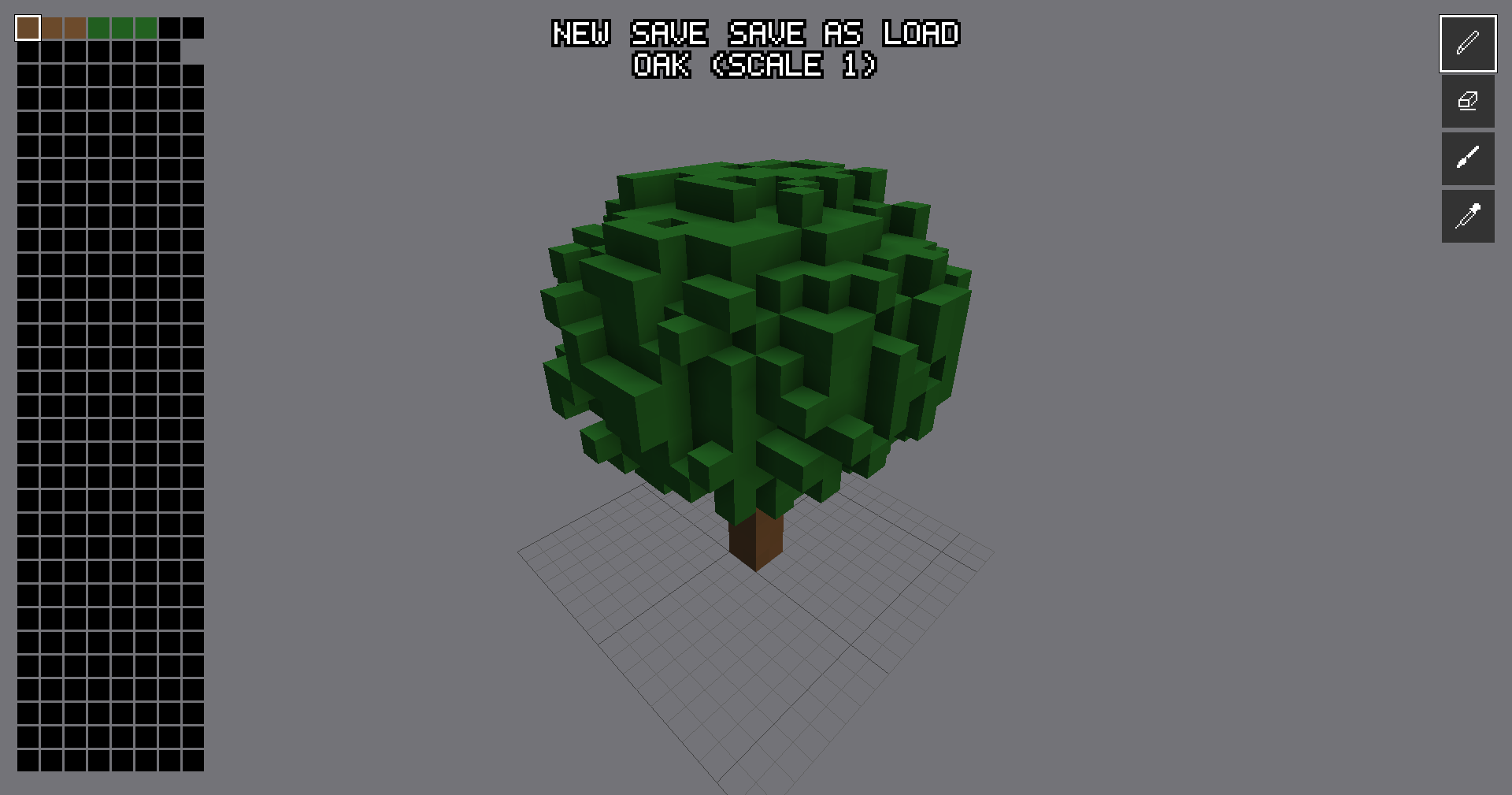
The tool for building trees and props used to live inside the game's menu. It's now a small program of its own, the Object Creator, and the game's menu is just Play, Settings, Quit.
A shorter view, for now
The world now loads a smaller area around the player than before, with the fog pulled in to match.
Land that fills in on other cores
Pressing Play used to mean waiting a moment for the world to appear, because the land was built a few pieces at a time on the same thread that runs the game. Terrain generation and meshing now run on the other CPU cores, nearest first, behind the fog, and control is immediate.
- The area around the player now loads in a fraction of the time it took.
- Running across the world stays smooth, without the hitches loading used to cause.
- The game plays out exactly the same whether a piece of land arrives early or late.